
Resources
Aliquet adipiscing in dignissim scelerisque fermentum nibh condimentum ligula eget nunc blandit interdum eros, massa ante ipsum senectus quis in.
Digital Marketing: What is Digital Marketing and How to Start
We see ads on every social media we use until and unless we pay a premium not to see them. Not only that, whenever we search anything related to a product/service, the probability is high that we will see a Google ad of different companies or some website without a Google ad. Guess what? Both come under the umbrella of digital marketing. One is paid marketing, and the other is organic marketing in simple language. Soon we will dive deep into what paid and organic marketing are.
In today’s world, most things happen online—shopping, learning, even talking to friends. That’s why digital marketing has become very important for businesses of all sizes. But what does digital marketing really mean, and how can you start learning it? Whether you own a small shop and want more people to find you online, or you’re a student thinking about a career in marketing, this article will help you understand the basics of digital marketing and show you how to begin your journey. We’ll also look at simple examples from India, like how local stores use Instagram or how Swiggy and Zomato run ads to attract customers.
What is Digital Marketing?
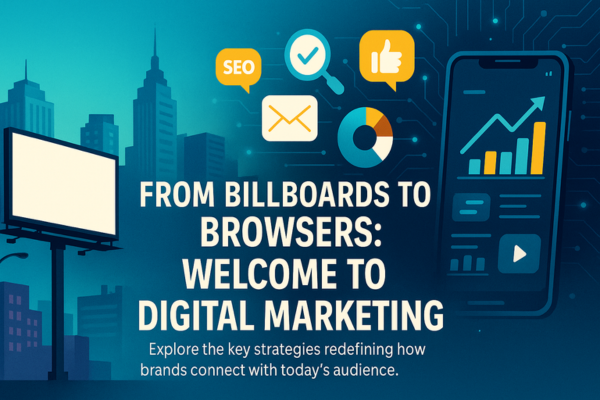
Digital marketing refers to the practice of promoting products/services using digital channels or using SEO techniques to rank high in Google. This encompasses a wide range of areas, including social media, email, search engines, websites, and mobile applications. Unlike traditional marketing methods, which rely on print ads and billboards, digital marketing enables businesses to reach a broader audience through targeted and measurable strategies.
Local businesses that do not sell products online but have a digital presence have comparatively high chances of expanding their business compared to local businesses that do not have any digital presence. Your question must be, How? So even though they are not selling their product online, customers search for “best restaurant in Bhilai” or “stationary shop near me.”
Key Components of Digital Marketing
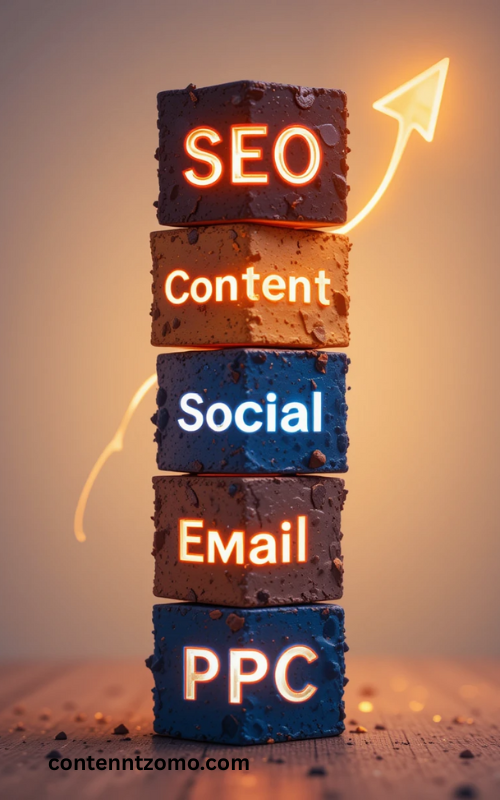
- SEO involves optimizing your website and content to rank higher in search engine results pages (SERPs). By using targeted keywords, improving website speed, high-quality content, website navigation, and engaging visual content, and enhancing user experience, businesses can attract more organic traffic.
- This strategy revolves around creating valuable and relevant content to attract and engage a target audience. From blogs to videos, great content positions your brand as an authority in your industry.
- Using platforms like Facebook, Instagram, Twitter, and LinkedIn, businesses can engage directly with customers, share updates, and promote products. Social media allows for both organic reach and paid advertising options.
- Email Marketing
- Email remains one of the most effective channels for direct communication with customers. By sending newsletters, promotional offers, or personalized messages, businesses can maintain engagement, build trust, and drive sales.
- Pay-Per-Click Advertising (PPC)
- PPC is a model of online advertising where advertisers pay a fee each time their ad is clicked. This method allows immediate visibility and can be highly targeted.
“Digital marketing is the art of engaging consumers at every touchpoint along their journey.”
Now Digital Marketing has become one of the best ways to start your small business and reach your audience worldwide.
How to Start in Digital Marketing
Starting your journey in digital marketing can be both exciting and overwhelming. Here’s a step-by-step guide to help you begin:
1. Start with understanding the core concepts like:
- What is SEO?
- What’s the difference between organic and paid reach?
- How do Facebook/Instagram ads work?
📚 Free Resources:
Google Digital Garage
2. Understand Your Goals
Before diving into specific tactics, clarify what you aim to achieve with digital marketing. You don’t need to know everything at the same time; start with one concept, practice it, and then move to the next. Common goals include:
- Increasing brand awareness
- Generating leads or sales
- Building a community around your brand
3. Make a Business Plan
Before creating content, a website, or targeting your audience, make your detailed business plan. Get clarity on what type of content will be required and which platforms need to be pushed. This will make your vision clear of what you need to do before starting, how you will start, and the final execution. Remember, execution is what makes you different from others, so plan it and learn and keep learning.
4. Create a Digital Presence
To effectively learn and practice digital marketing, establish your own online presence, make a website and social media accounts, and implement the things that you learned. This could be a personal blog, a social media profile, or even an e-commerce store. Experiment with content creation, SEO, and online advertising using your own platforms. At the very initial stage, it might be difficult to see the result immediately, but be consistent and you will see the result.
5. Utilize Analytics
Understanding data is crucial in digital marketing. Use tools like Google Analytics to measure the performance of your campaigns and understand audience behaviors. Learn how to analyze your data and the tools required to do it.
Analyze:
- Traffic volume
- Conversion rates
- Engagement metrics
Tools:
- Google Analytics (GA4)
- Google Search Console
- Meta Business Suite (Facebook & Instagram Insights)
- LinkedIn Analytics
- Google Data Studio/Looker Studio
6. Stay Updated with the New Tools and Keep Optimizing
Digital marketing is a constantly evolving field. Subscribe to marketing blogs like Neil Patel, Moz, or Content Marketing Institute to stay informed about the latest trends, tips, and best practices.
Follow these Indian digital marketers:
- Digital Deepak (SEO, funnels, personal branding)
- Harsh Agrawal – ShoutMeLoud (blogging & monetization)
- Sorav Jain (social media strategies)
- Sejal Kamdar (Instagram marketing for brands)
Embarking on a journey in digital marketing can be incredibly rewarding. As you learn and apply various strategies—ranging from SEO and content marketing to social media engagement—you’ll find opportunities to connect with customers and grow your business effectively. Remember, the key is to start with clear goals, continuously educate yourself, and always be prepared to adapt to new trends.
Ready to take the next step? Start small—perhaps by optimizing your website’s SEO or launching a social media campaign. The world of digital marketing awaits, and your adventure is just beginning.